Admissions & Process
Catchment areas, explained simply
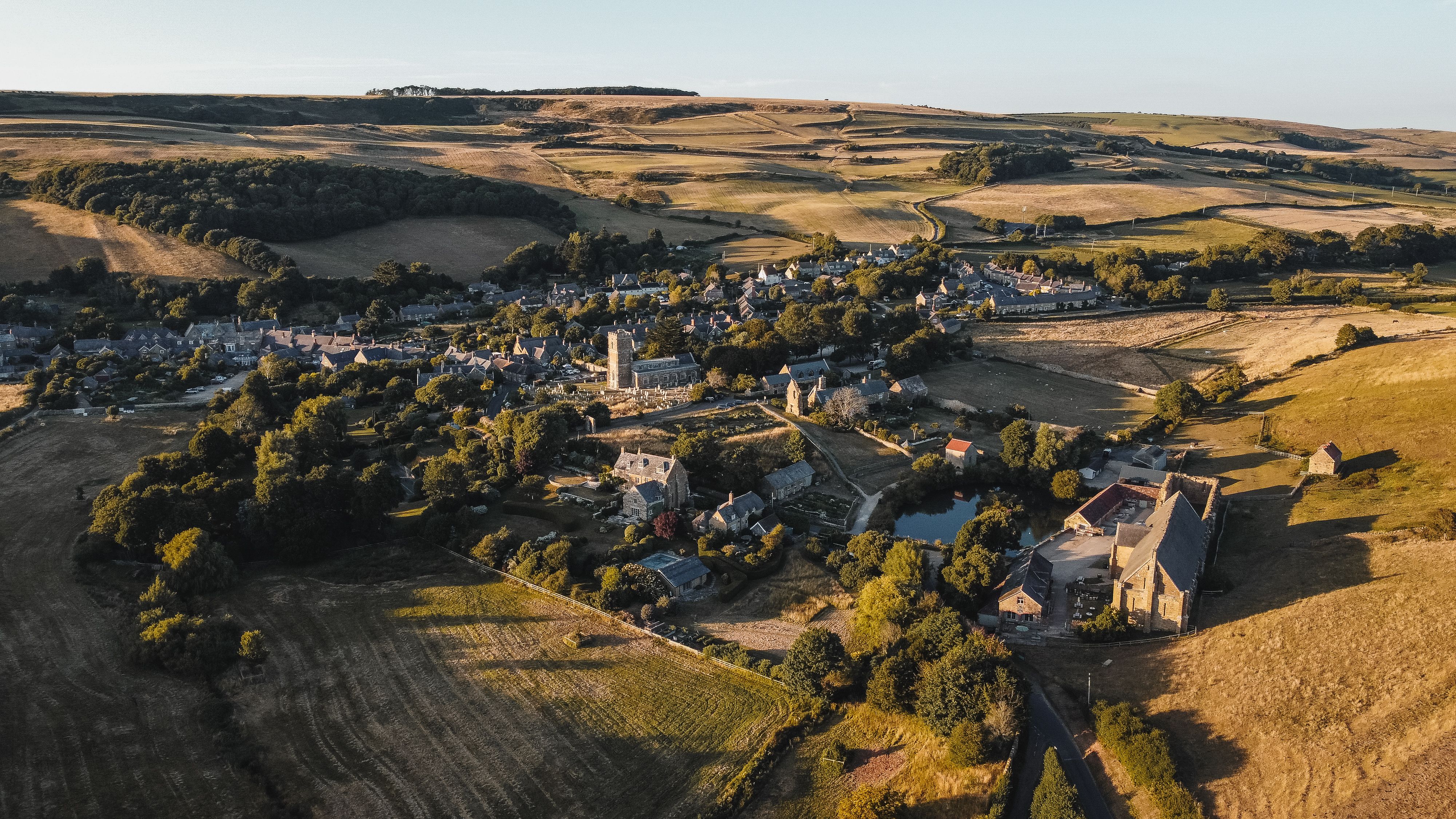
"Catchment area" is one of the most-used phrases in school choice conversations — and also one of the most misunderstood. Here's what it actually means, and what it doesn't guarantee.
What a catchment area actually is
A catchment area is a geographic zone a school or local authority defines, used as one possible factor in deciding who gets a place when a school is oversubscribed. It's important to understand: there's no single national catchment system. Every school's admission authority decides for itself whether to use a catchment area at all, and if so, how to draw it — some use a simple radius from the school gate, others use more complex zone maps, and some don't use catchment areas as an admissions factor at all.
What being "in catchment" does and doesn't mean
- It doesn't guarantee a place. If a school is oversubscribed even among families within its catchment area, other criteria — siblings, distance within the catchment, faith requirements — still come into play.
- It doesn't automatically exclude you if you're outside it. If a school isn't full after catchment-area applicants are placed, remaining spaces go to other applicants based on the school's next criteria, often simple distance from the school.
- It can change. Catchment boundaries aren't fixed forever — schools and local authorities can and do adjust them, sometimes year to year, based on demand and local housing changes.
Why "moving into catchment" is genuinely popular — and genuinely risky
Because catchment areas often use distance as a tiebreaker, and because they can shift, some families move house specifically to fall inside a desired school's zone. This can work, but it comes with real uncertainty:
- You're often applying based on last year's catchment, since a school may not confirm the exact boundary for your admissions year until closer to the deadline
- Distance-based catchments are usually measured "as the crow flies", not by walking or driving route — a straight-line distance can be surprisingly different from what feels intuitive on a map
- Popular schools' catchment areas often shrink in high-demand years, since a fixed number of places has to stretch across however many families apply — meaning a postcode that was comfortably inside catchment two years ago isn't guaranteed to be this year
A more reliable approach than guessing
Rather than relying on general reputation about "which streets are in catchment," check three things directly: the specific school's published admissions criteria, its catchment boundary for the actual year you're applying (contact the school or local authority to confirm, since boundaries can shift), and — where available — how far out the catchment reached in the last one or two admissions rounds. Local authorities and some schools publish this "last distance offered" figure, which gives a far more grounded sense of your realistic chances than a general catchment map alone.
